

Deciding how to bring a patient home after illness or injury can feel overwhelming, especially when emotions are high and information comes from many directions at once. Many people assume that a medical emergency automatically means booking an air ambulance. That’s a common belief, but it isn’t always true. There is a real difference between travelling with a medical escort on a commercial flight and using a dedicated air ambulance, and not every situation requires the most intensive option.
Some patients are medically stable enough to fly on a regular airline with professional supervision. Others genuinely need the speed, space, and medical capability that only an air ambulance can provide. Understanding how these options differ allows families to make calmer, safer decisions during an already stressful time.
Understanding the two options clearly
At a basic level, the difference lies in how much medical support is needed during the journey.
A medical escort involves a trained nurse or doctor accompanying the patient on a scheduled commercial flight. The escort monitors vital signs, manages medication, assists with movement, and responds if the patient becomes unwell. Depending on the situation, the patient may travel seated or on an approved stretcher.
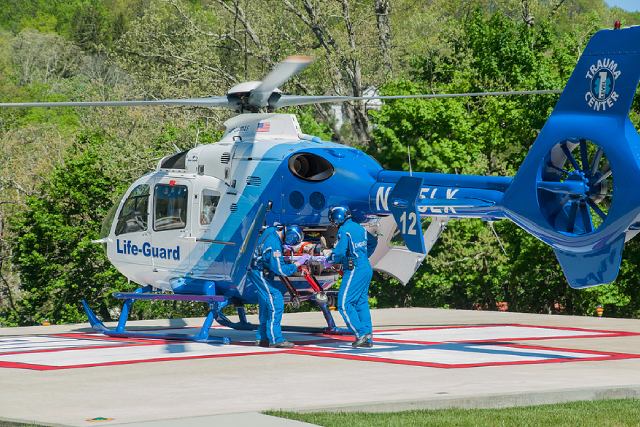
An air ambulance, on the other hand, is a dedicated medical aircraft equipped like a flying intensive care unit. It allows continuous monitoring, advanced life support, and complete control over the flight environment, including altitude and routing.
Neither option is automatically better. The safest choice depends on the patient’s condition, not assumptions about severity.
When a medical escort on a commercial flight can be safe
A medical escort is often suitable when a patient is stable and unlikely to deteriorate during travel. Many recovering patients fall into this category, even if they still require professional care.
A commercial flight with a medical escort may be appropriate when:
- Vital signs are stable and predictable
- Oxygen needs are low and well-controlled
- No intensive or invasive monitoring is required
- The patient can tolerate cabin pressure and flight duration
With proper planning, commercial flights can work well even for long distances. Airline medical clearance, careful scheduling, and coordination with ground transport all help reduce risk and ensure continuity of care.
When an air ambulance becomes essential
There are situations where a medical escort simply isn’t enough. An air ambulance is recommended when a patient’s condition could worsen quickly or requires constant medical intervention.
An air ambulance is usually necessary when:
- The patient is medically unstable or deteriorating
- Ventilator support or advanced equipment is required
- Continuous monitoring is critical
- Delays or layovers could compromise safety
In these cases, choosing an air ambulance in Singapore or elsewhere isn’t about comfort or preference. It’s about maintaining safety throughout the entire journey.
How doctors assess whether a patient is fit to fly
Fitness-to-fly decisions are made through careful medical assessment, not guesswork. Doctors look beyond the diagnosis and focus on how the patient is functioning at the moment travel is planned.
They typically review recent test results, oxygen levels, heart rhythm, blood pressure control, neurological status, and how the patient responds to movement or mild exertion. Flight duration, transit points, and access to emergency care along the route are also taken into account. This process helps ensure that the chosen transport method matches the patient’s real medical needs.
Key factors that influence the safest choice
Several factors are considered together before recommending either option, including:
- Current stability and recovery stage
- Risk of sudden deterioration mid-flight
- Level of care needed during transport
- Total travel time and number of connections
- Medical support available at departure and destination
Situational awareness keeps you safe by grounding decisions in realistic risks rather than fear-driven assumptions.
Cost considerations without losing sight of safety
Cost often becomes part of the discussion, and understandably so. Medical escorts on commercial flights are far more affordable than air ambulances, especially for long-distance repatriation.
However, choosing a lower-cost option when it isn’t medically suitable can lead to emergencies, diversions, or unplanned hospital admissions mid-journey. That can increase both risk and overall expense. Responsible providers prioritise medical safety first, even when budgets are a concern.
Why planning and coordination matter so much
A successful repatriation involves far more than the flight itself. Ground ambulances, hospital handovers, medical records, and medication continuity all need to be aligned.
When coordination is handled well, patients experience smoother transfers, and families face less uncertainty. Poor planning, even with the right transport choice, can turn an otherwise safe journey into a stressful one.
Making the decision with confidence
Repatriation decisions are often made during emotional moments. Clear explanations and honest assessments help families feel more confident and less overwhelmed.
Some patients genuinely need the advanced care of an air ambulance. Others can travel safely with a medical escort and proper preparation. Both options exist for a reason, and neither should be chosen automatically.
Conclusion
Safe repatriation is about matching the level of care to the patient’s needs, not defaulting to the most extreme option. With careful assessment and thoughtful planning, patients can return home safely and with dignity.
EMA Global offers medical evacuation, repatriation, and air ambulance services, guiding patients and families through each step with clarity, experience, and care, so the journey home is managed safely from start to finish.