


Winter Sports Abroad: Health Steps Before You Travel
 News and Insight
-
August 24, 2026
 News and Insight
 August 24, 2026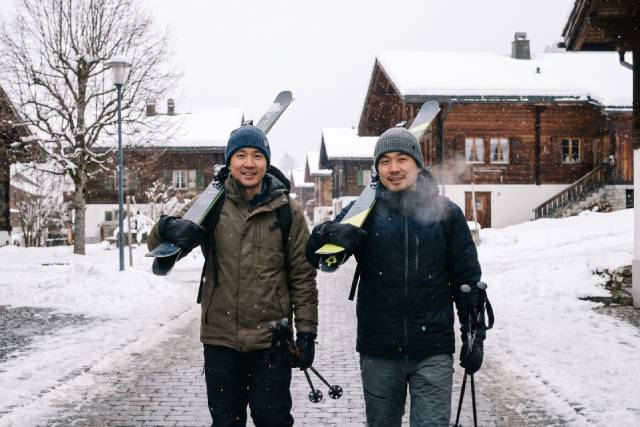
There is a certain thrill to the night before a ski trip. The gear is laid out, the forecast promises fresh snow, and the group chat is already busy debating which run to take first. Snow holidays are among the most rewarding trips a traveller can plan, and a short burst of preparation is what keeps them that way.
Snow sports also carry a different injury profile from a beach break or a city tour. A fall at speed on a cold, remote mountainside can turn an ordinary afternoon into something that needs proper care, sometimes a fair distance from a major hospital. Thinking about the health side before you fly means you can spend the trip thinking about the powder instead.
Match your fitness to the mountain
Skiing and snowboarding ask a lot of the legs and the core, often at altitude and in the cold. A few weeks of building strength and stamina before departure lowers the chance of the tired, end-of-day falls that account for a large share of injuries on the slopes.
A quick conversation with your doctor is sensible if you manage an existing condition or have not exercised much of late. This is general information and not medical advice, so anything specific to your own health belongs with a clinician who can assess you properly and take your history into account.
A gentle first morning helps as well. Cold muscles and unfamiliar hire equipment make the opening runs of a trip a common place for a small mistake, so easing in before chasing the steeper slopes gives your body a chance to remember what it is doing.
If a fall turns serious
Most snow-sport mishaps are minor, treated on the mountain or at a local clinic and quickly forgotten. A smaller number are more serious, and this is where the language of assistance becomes genuinely useful to understand before you ever need it.
Repatriation means arranging a patient’s return to their home country for ongoing treatment or recovery, organised around their medical needs instead of a standard flight schedule. In practice, medical repatriation can involve a medical escort, meaning a trained professional who accompanies the patient on a commercial flight, or in more serious cases an air ambulance, meaning an aircraft equipped and staffed to deliver care in the air. Some of the most serious injuries fall among the conditions that warrant an air ambulance, while many others are managed with far simpler support.
The right option is a medical decision, not a travel preference. Trained coordinators and treating doctors weigh the injury, the distance, the weather, and the readiness of the receiving hospital before settling on how someone travels, which is why the answer looks different from one case to the next.
Knowing that these options exist, and understanding who would coordinate them, takes a good deal of worry out of the planning. It also helps a traveller and their family make calmer decisions in a moment when calm is in short supply.
Fit to fly, before and after
Air travel and fresh injuries do not always mix well, which surprises travellers who assume they can simply board the next flight home. Cabin pressure and reduced oxygen at altitude can affect a healing injury, and the UK Civil Aviation Authority guidance on air travel and health sets out why a fit-to-fly assessment may be needed after certain injuries or surgery. A fit-to-fly assessment is simply a clinician confirming that flying is safe for your condition at that point in time.
The practical upshot is that a broken leg on day two may not travel home on the original ticket. Recovery and medical clearance shape when a return journey happens, as can the right seating or support, and building a little flexibility into your plans makes that easier to absorb.
A short pre-trip checklist
Preparation for a snow trip does not need to be elaborate. A handful of practical steps covers most of what travellers later wish they had sorted out in advance:
- Carry a list of your medicines with their generic names
- Keep a digital and paper copy of key medical records and emergency contacts
- Note the location of the nearest clinic to your resort
- Check the equipment hire and helmet arrangements before you arrive
- Confirm who to call if something goes wrong on the mountain
- Save your assistance contact details somewhere you can reach offline
Respect the conditions on the day
Even the best-prepared traveller answers to the weather. Whiteouts, ice, wind, and plain fatigue late in the day change what a run demands, and a quick look at the resort’s daily reports helps you match your plans to what the mountain is actually doing.
Staying within your ability is the least glamorous advice in snow sports and the most reliable. A cautious final descent beats an ambitious one that ends a holiday early, and the slopes will still be there in the morning.
Make the most of the season
A well-planned snow trip lets you focus on the part you came for, which is the feeling of the first clean turn on fresh snow. At EMA Global, we support travellers and their families with medical and travel assistance across the globe, coordinating care and transport when a journey does not go to plan. If a winter escape is on your calendar, get in touch with our team to learn how we can help you set off with confidence.

